A design studio for pen plotters and laser cutters that runs in a browser tab. Compose generative patterns as layers, grow ornament along their geometry, route modulation between them, and hand the machine a plan it reproduces faithfully. Every composition stays alive as its parameters.
- React
- Browser-first
- SVG
- 29 generators
- 3 machine profiles
- 9,545 tests
Architecture
Every pattern is a generator function paired with a parameter spec; the UI reads the spec and renders the sliders, dials, and toggles without per-pattern UI code. A new built-in registers itself the moment its file exists; patterns extracted from photographs register at runtime with zero files.
The engine renders headlessly behind a DrawingContext seam — p5 in production, a pure-JS double in tests — which is how the suite reached 9,545 passing tests without a browser in the loop.
Sample pattern
The backs of the cards on this site carry three Naqsha compositions, and each project is assigned one for good. Pick a card below to open that exact design in Naqsha and play with it.
The chaos → order pipeline
Most generative tools have you tune knobs one at a time. Naqsha randomizes them all at once, across three pattern families (spirograph, recursive, flow lines); find one you like, freeze the parameters that matter, and re-roll the rest.
Every parameter has a lock icon; locked icons rotate to a diamond and stay through the next roll.
Ornament that grows along the geometry's edges
Attach a motif layer to a host pattern and the host's geometry emits anchors — crossings, edges, tips, cells. Anchors flow through a reorderable chain of blocks (every-Nth, skip rhythms, seeded density, field masks) into a sequencer that deals glyphs by zone, so one motif layer flowers at the apex of a strand and leafs along its stem.
Sixty-two built-in glyphs, a pen editor for drawing your own, and anchoring that stays glued to geometry even while a modulator bends it.
Fields that drive other layers
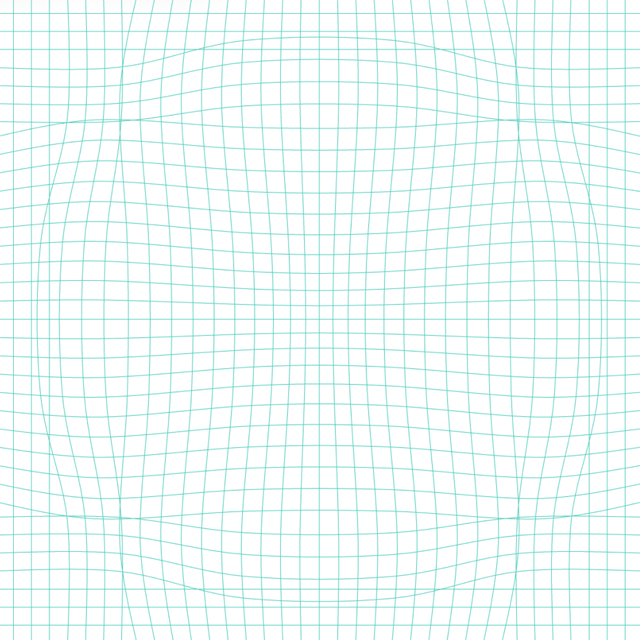
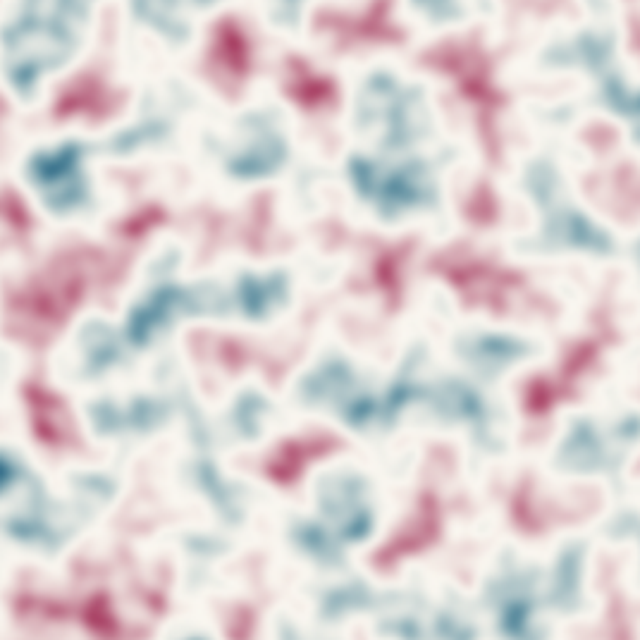
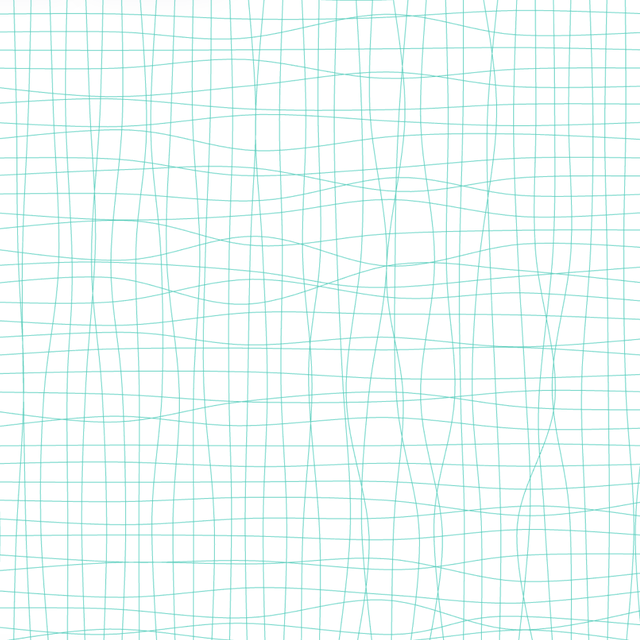
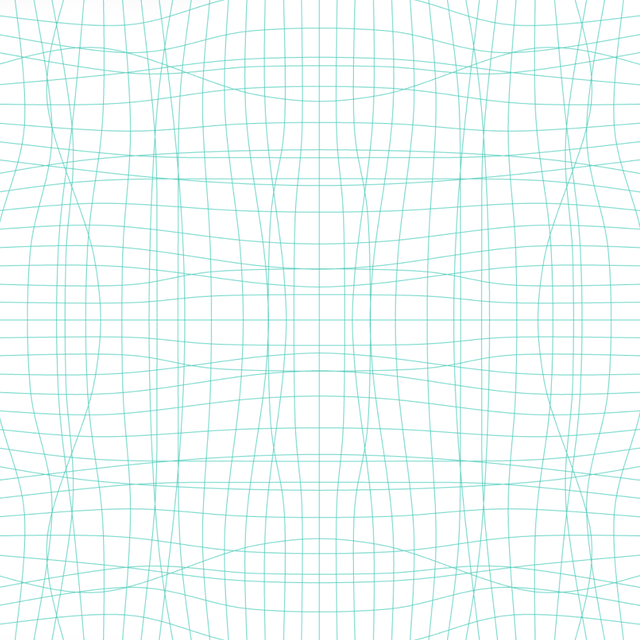
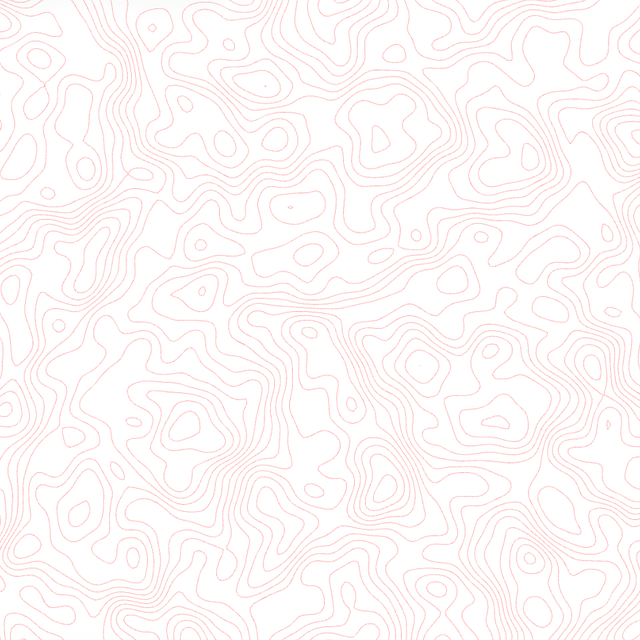
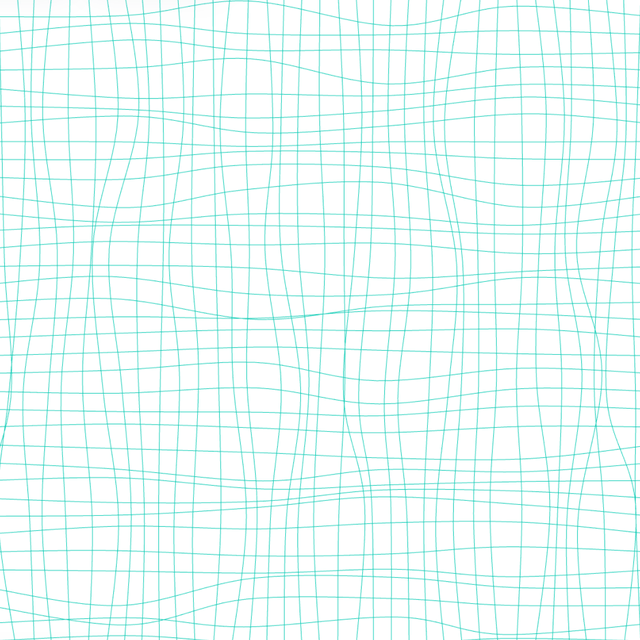
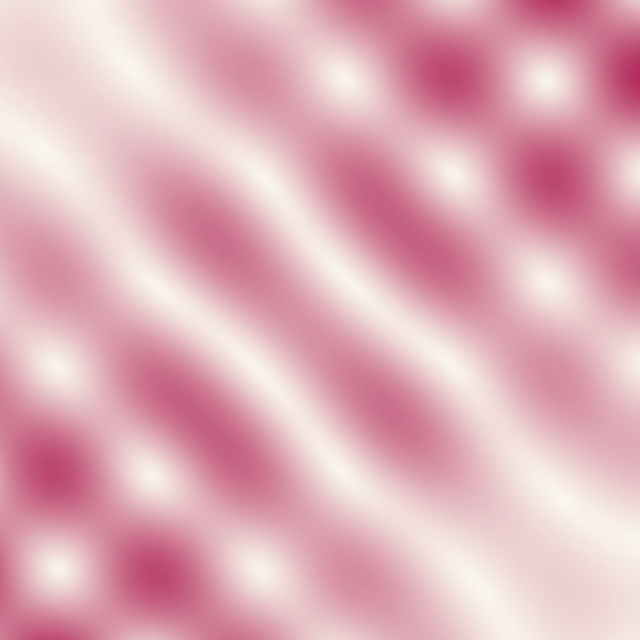
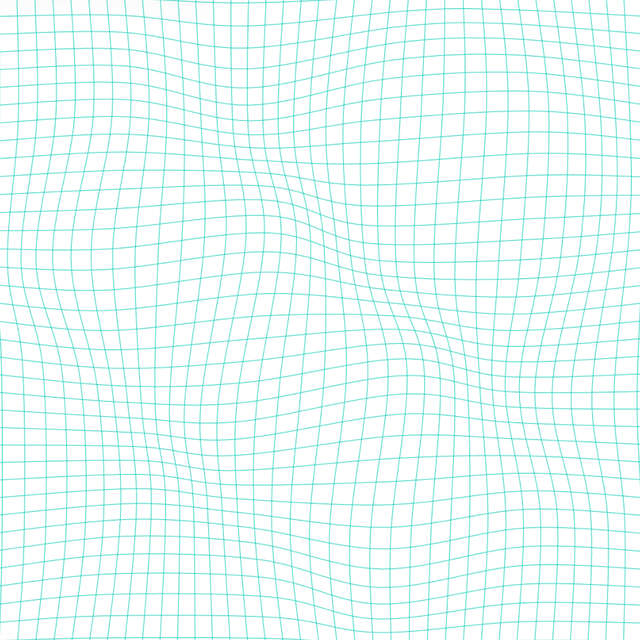
Any layer can carry a modulator — a radial, linear, noise, or wave field dragged directly on canvas by its gradient handles — mapped to warp, density, or distortion on any other layer. A flow field breathes through a strict tiling: density swells where the field says so, and the geometry stays true underneath.
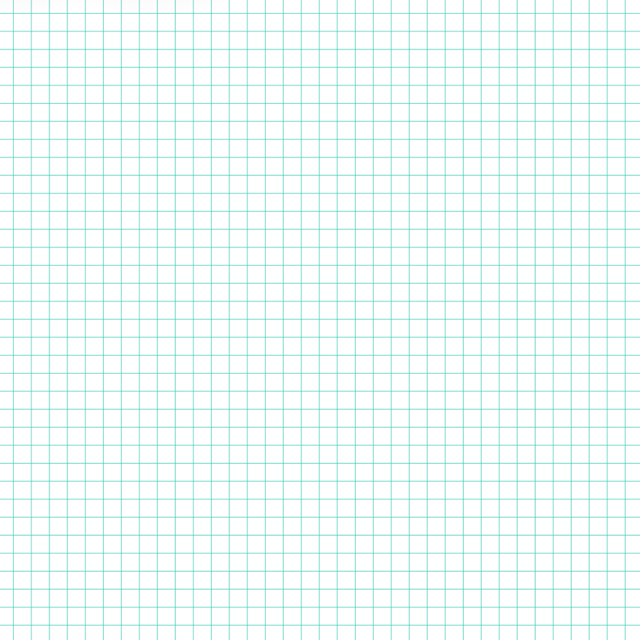
The same 36 × 36 grid, warped live by five different fields — three built-in sources and two pattern guides.


From screen to machine
The Run Plan shows exactly what the machine will do — route, order, time, warnings — before anything moves, and every export carries a one-line Receipt: estimated run time, anything cropped, warning count. Export always succeeds; the receipt makes it never silent.
- Plotters get pen-ready SVG with pen swaps surfaced as pauses in the plan.
- Lasers get role-separated cut / score / engrave layers — and Raster Etch, which screens a photograph to the exact 1-bit bitmap the laser will burn. What renders is what etches.
- A 3D preview shows the physical reaction before you commit stock: frosted acrylic, charred plywood, a kerf-thin cut seam.
Inside the tool
Selected slides from the case study deck.